A novel way to avoid the SaaSpocalypse
Try making decent products.

I find it fascinating that, in an era when lots of people are going to be able to write their own software, industry and Wall Street are losing their minds over one very specific vertical: enterprise SaaS products. Not games, not personal software, not operating systems, but specifically SaaS. You could argue that there are lots of highly specific aspects to SaaS products—per-seat subscriptions, long-term contracts, and extensive sales cycles—that somehow expose SaaS more than other types of software.
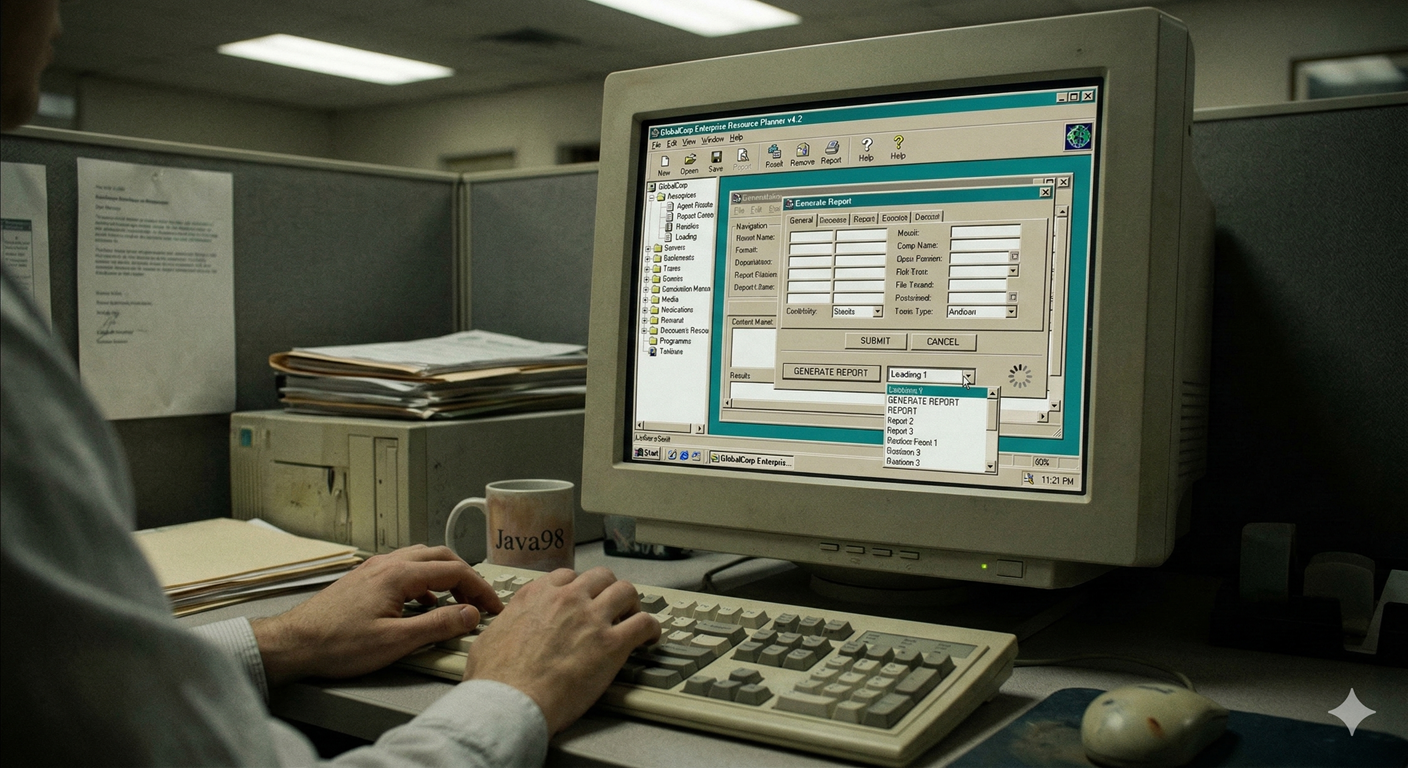
There’s an easier explanation, though, and everyone knows it: SaaS software is by and large awful and everyone hates it. Here’s how you make money in enterprise SaaS: 1) build a barely-functional product that demos well; 2) hire armies of high-pressure salespeople to wine and dine procurement teams; 3) provide enormous early discounts; and 4) ensure that the data live in proprietary formats that are impossible to export. Note that nowhere in that four-step process is there a “build beautiful software” step. Oracle perfected this process in the 1990s, and nothing has really changed since.
There’s a real market opportunity here: create products that are better than what random employees at a large company can develop using LLM coding assistants.
Developing software—even “vibe coding” it—will of course never be zero-friction. Things don’t work the first time, you hit scaling issues, have to address security concerns and dependencies, etc. Even just giving good guidance to LLMs is nontrivial; it’s hard to imagine all of the features that the software will need and the possible edge cases that users will encounter. Coding itself represents the minority of time spent developing software anyway.
I think most investors understand these complexities in general, but they also know that people (themselves included) are absolutely desperate to get away from the SaaS superfund sites that they have to interact with at work every day. IT departments know it, managers know it, CEOs know it, and investors know it. That’s the real reason behind the freakout and why so many analysts assume that companies will try to break out of these products as soon as they can, even if it’s hard.
There’s a real market opportunity here: create products that are better than what random employees at a large company can develop using LLM coding assistants. That shouldn’t be very hard, but it does involve putting the creation of delightful products that users love at the center of the development cycle. That is such a profound cultural shift that incumbents will be unable to adapt.
Ultimately, this shift is yet another one that will benefit startups. For all the reasons I mention above, I expect that most SaaS consumers are under-estimating the complexity of building their own custom versions. These coding tools, however, do enable new entrants into SaaS to build vastly superior products on shorter timescales and with far greater per-customer customization than was possible in the past.
Every time there is a huge technological revolution, the products that users hate the most are always the first ones to fall: record companies that demanded $20 for CD full of 14 tracks of junk and one good song (iTunes); $30 to develop a roll of film for one good shot (digital cameras); $0.25/text (WhatsApp, iMessage); Travel agents charging fees on top of marked-up fares (Expedia, Kayak, Booking.com); and of course, Realtors. SaaS is just the next iteration, and the opportunity is huge.
As always, go start a company and call us.